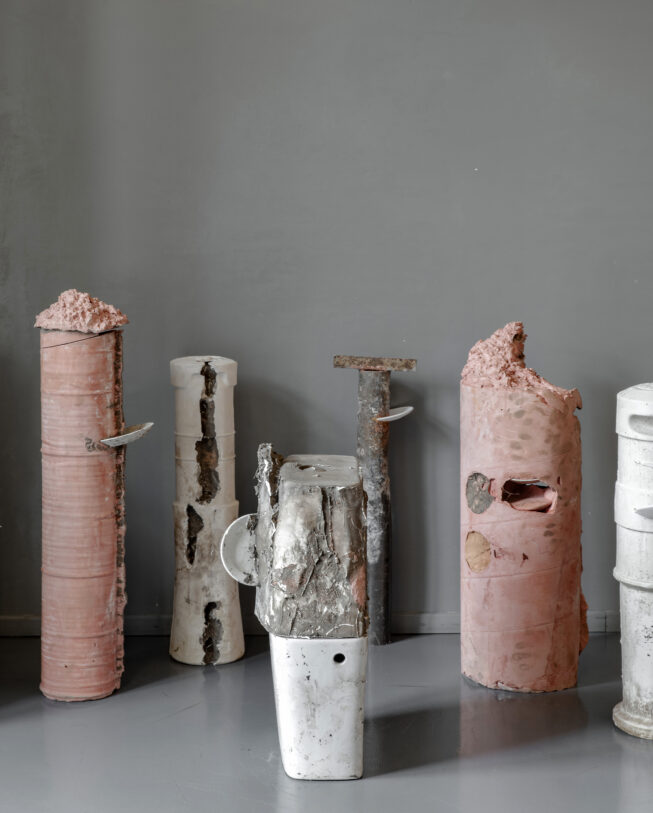
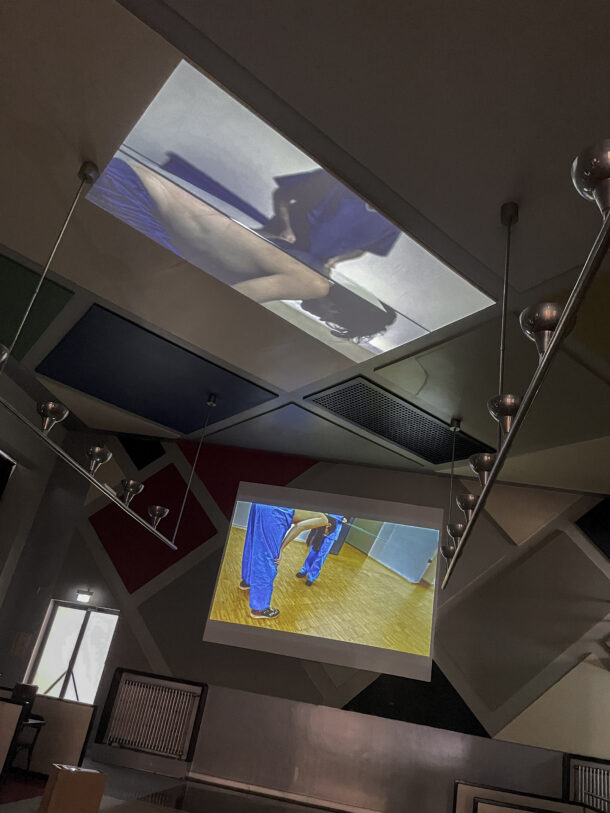

SÉCURITÉ SOCIALE PRÉLUDE La rampe PèreMèRe
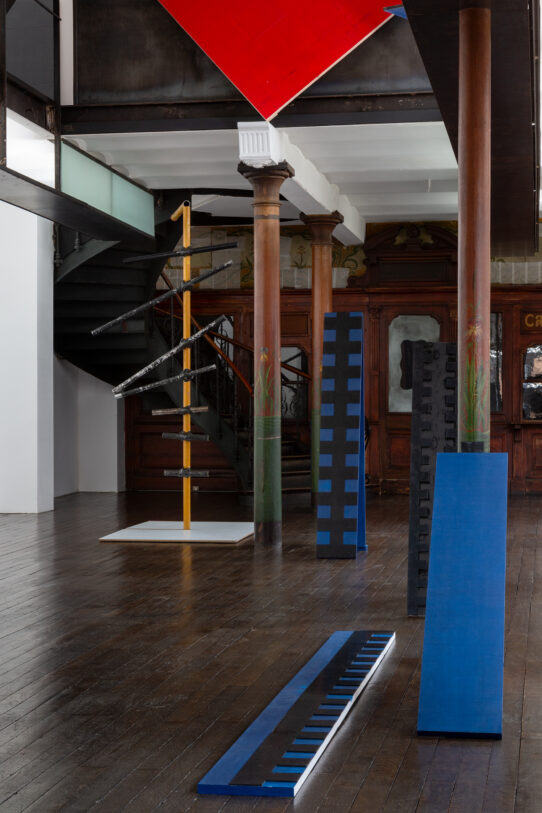
SÉCURITÉ SOCIALE PRÉLUDE La rampe PèreMèRe, Florian Fouché, vue d’exposition, CEAAC, Strasbourg, 2026. Photo : Émilie Vialet
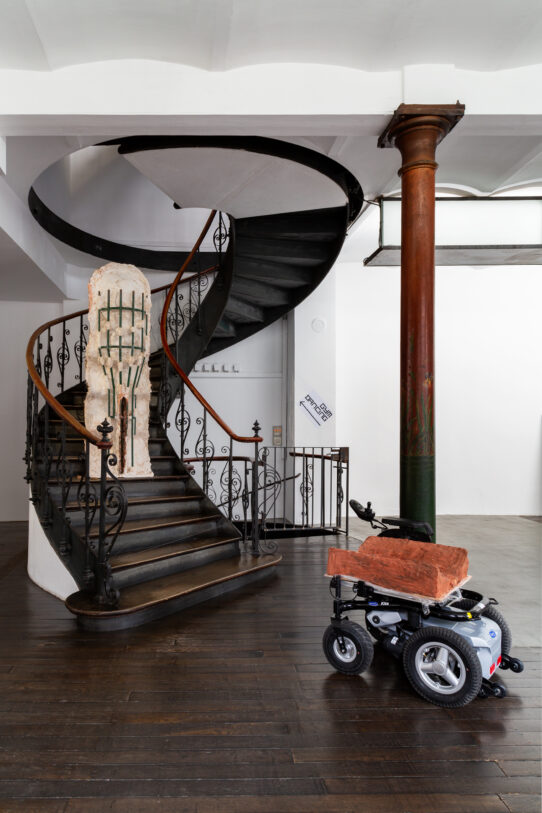
SÉCURITÉ SOCIALE PRÉLUDE La rampe PèreMèRe, Florian Fouché, vue d’exposition, CEAAC, Strasbourg, 2026. Photo : Émilie Vialet
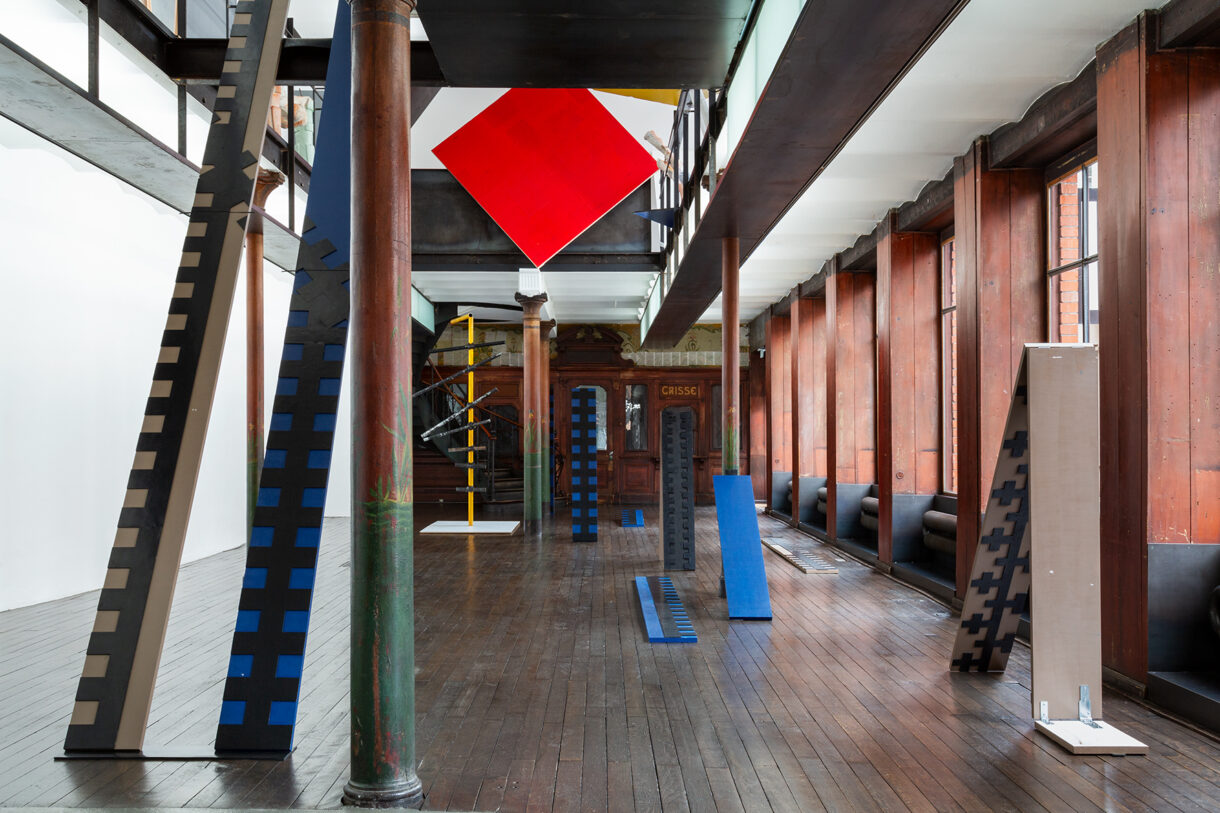
SÉCURITÉ SOCIALE PRÉLUDE La rampe PèreMèRe, Florian Fouché, vue d’exposition, CEAAC, Strasbourg, 2026. Photo : Émilie Vialet
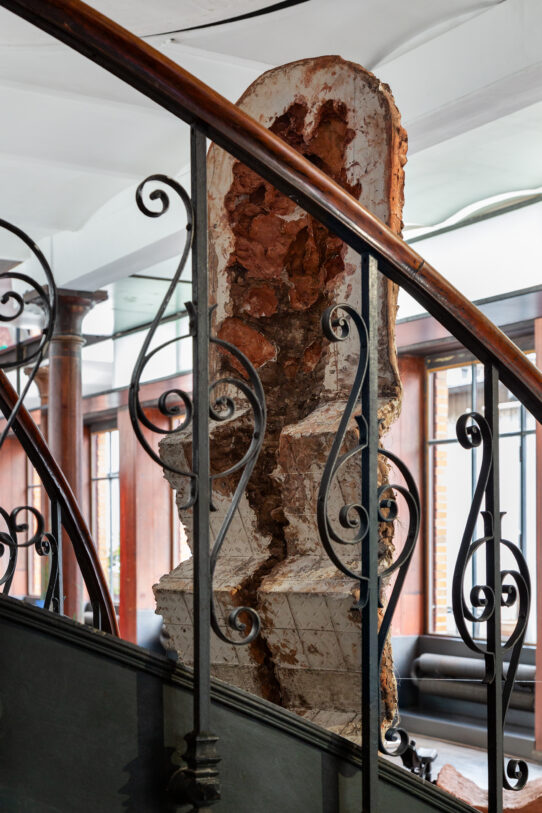
SÉCURITÉ SOCIALE PRÉLUDE La rampe PèreMèRe, Florian Fouché, vue d’exposition, CEAAC, Strasbourg, 2026. Photo : Émilie Vialet
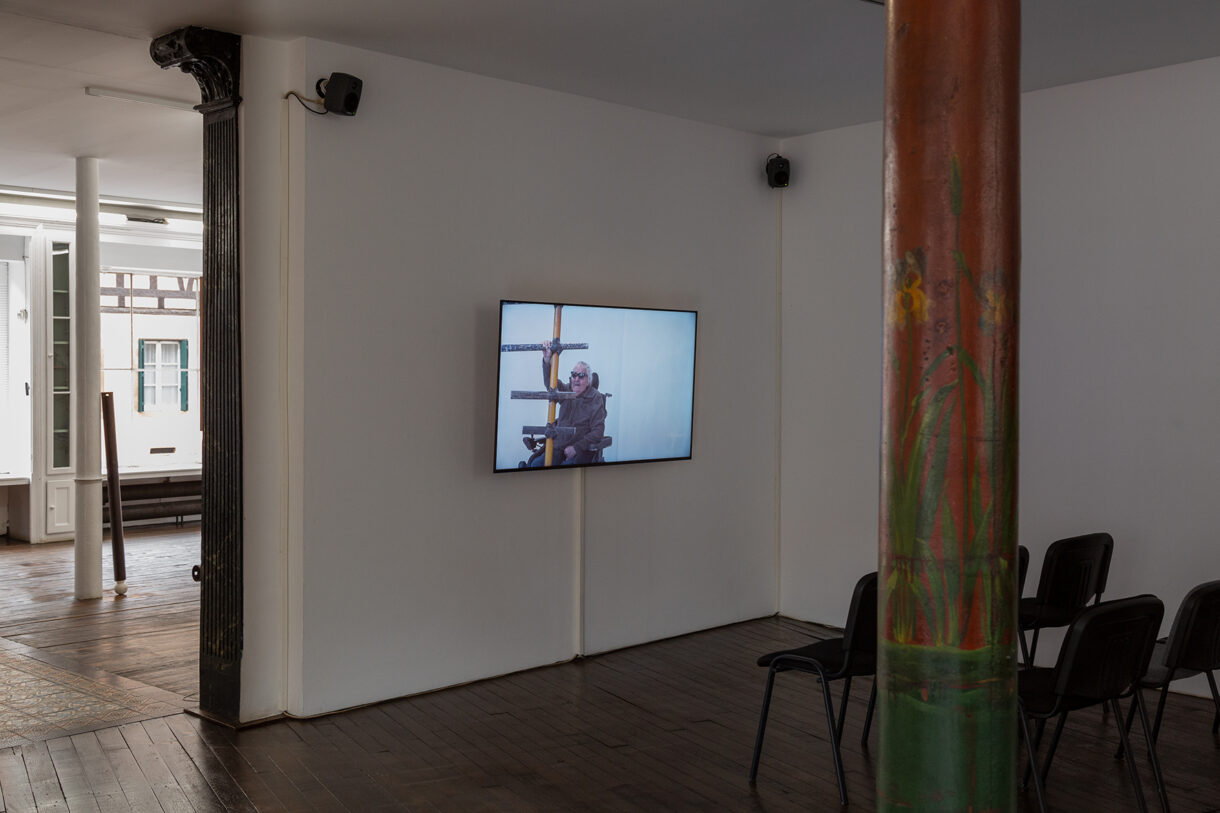
SÉCURITÉ SOCIALE PRÉLUDE La rampe PèreMèRe, Florian Fouché, vue d’exposition, CEAAC, Strasbourg, 2026. Photo : Émilie Vialet
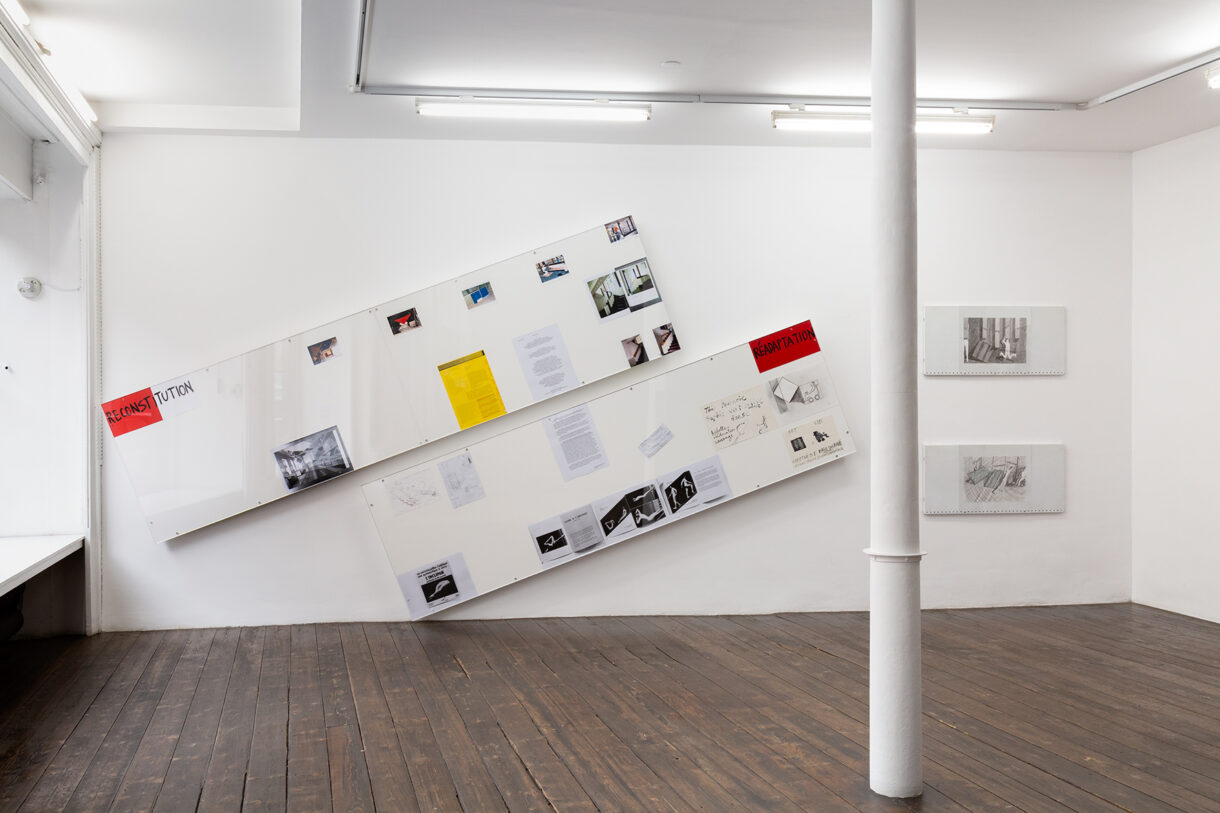
SÉCURITÉ SOCIALE PRÉLUDE La rampe PèreMèRe, Florian Fouché, vue d’exposition, CEAAC, Strasbourg, 2026. Photo : Émilie Vialet
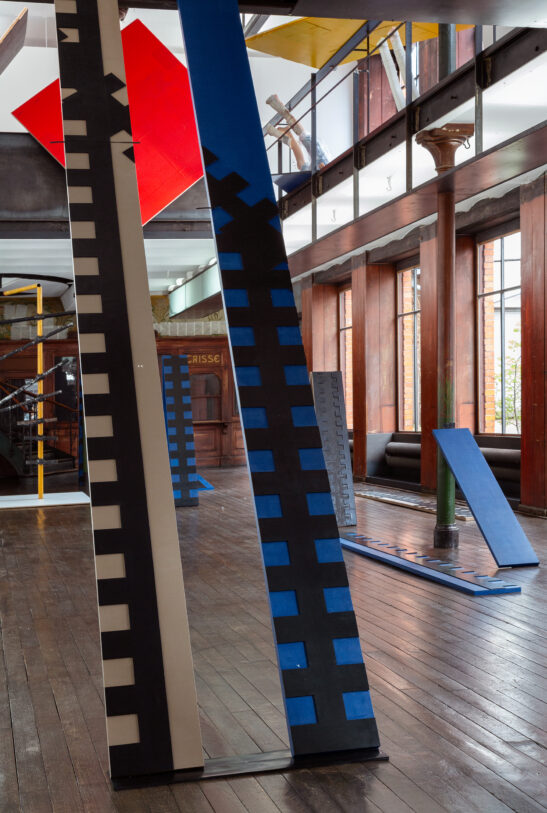
SÉCURITÉ SOCIALE PRÉLUDE La rampe PèreMèRe, Florian Fouché, vue d’exposition, CEAAC, Strasbourg, 2026. Photo : Émilie Vialet
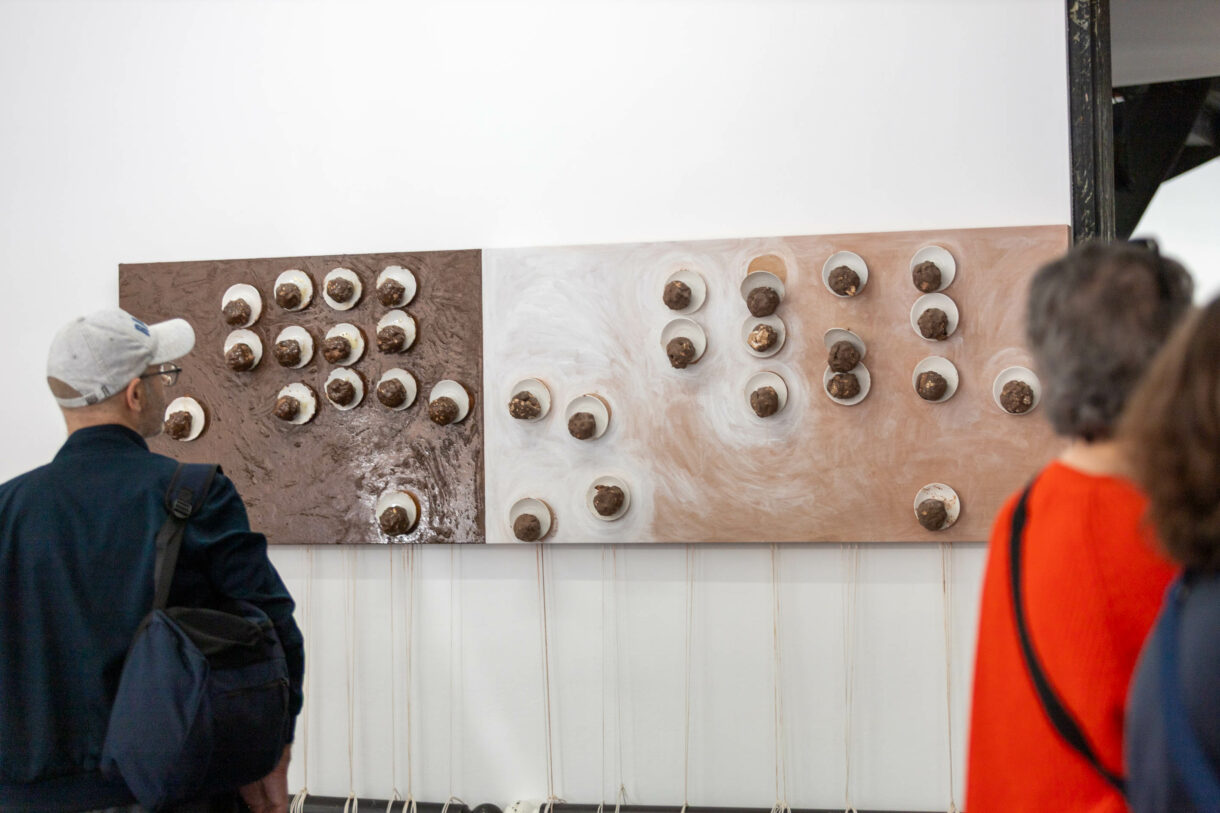
SÉCURITÉ SOCIALE PRÉLUDE La rampe PèreMèRe, Florian Fouché, vue d’exposition, CEAAC, Strasbourg, 2026. Photo : Teona Goreci
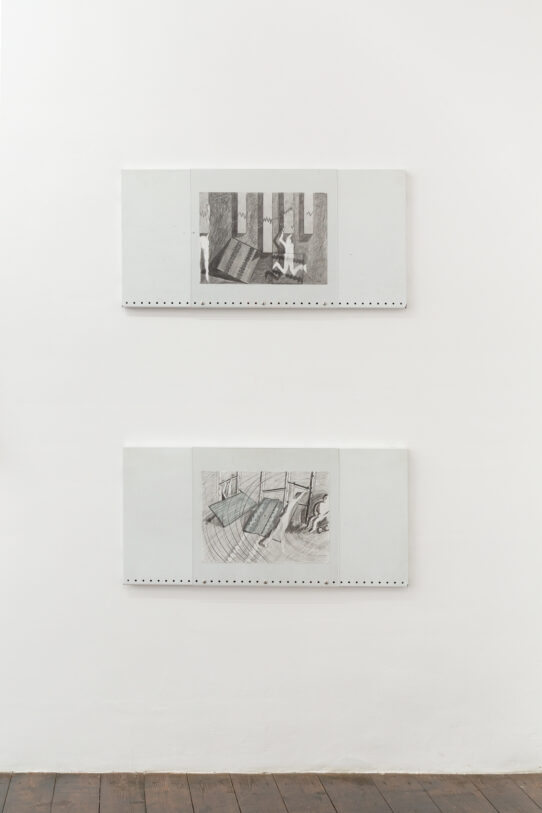
SÉCURITÉ SOCIALE PRÉLUDE La rampe PèreMèRe, Florian Fouché, vue d’exposition, CEAAC, Strasbourg, 2026. Photo : Émilie Vialet
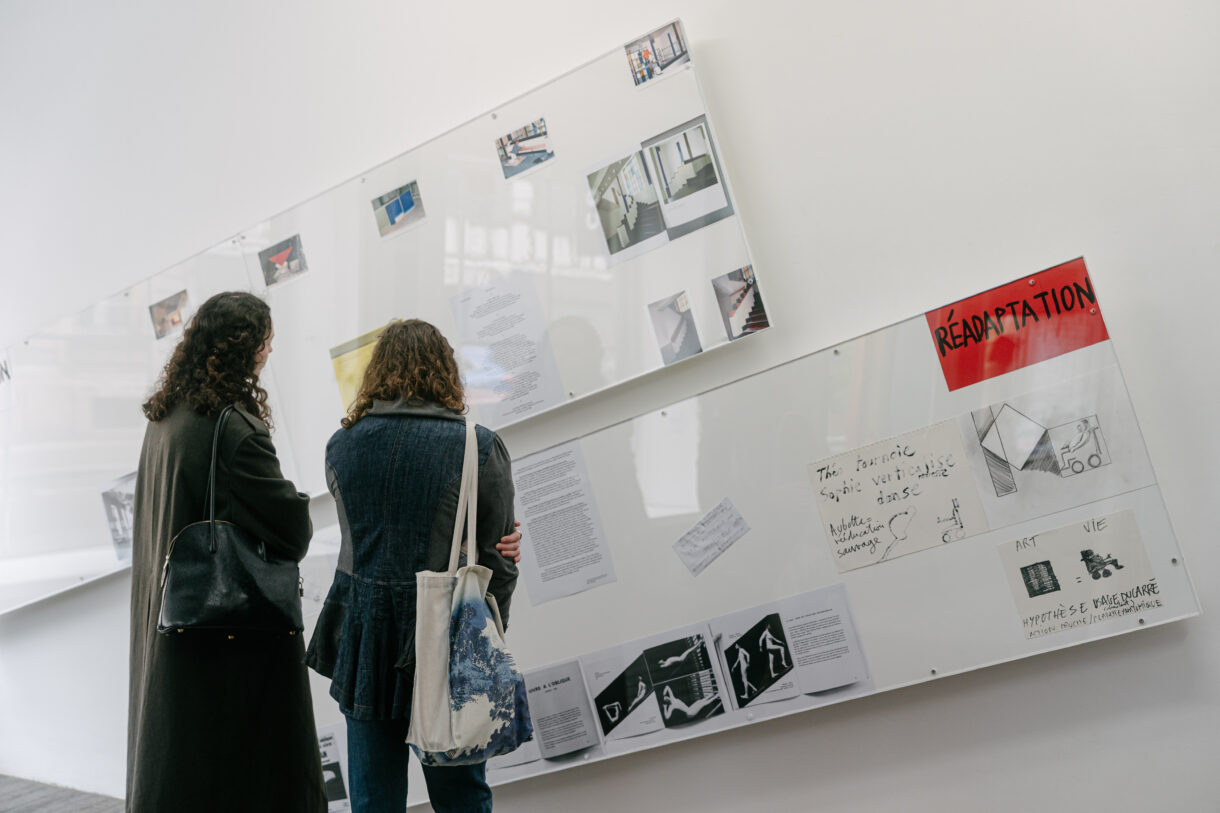
SÉCURITÉ SOCIALE PRÉLUDE La rampe PèreMèRe, vernissage, CEAAC, Strasbourg, 2026. Photo : Alex Flores
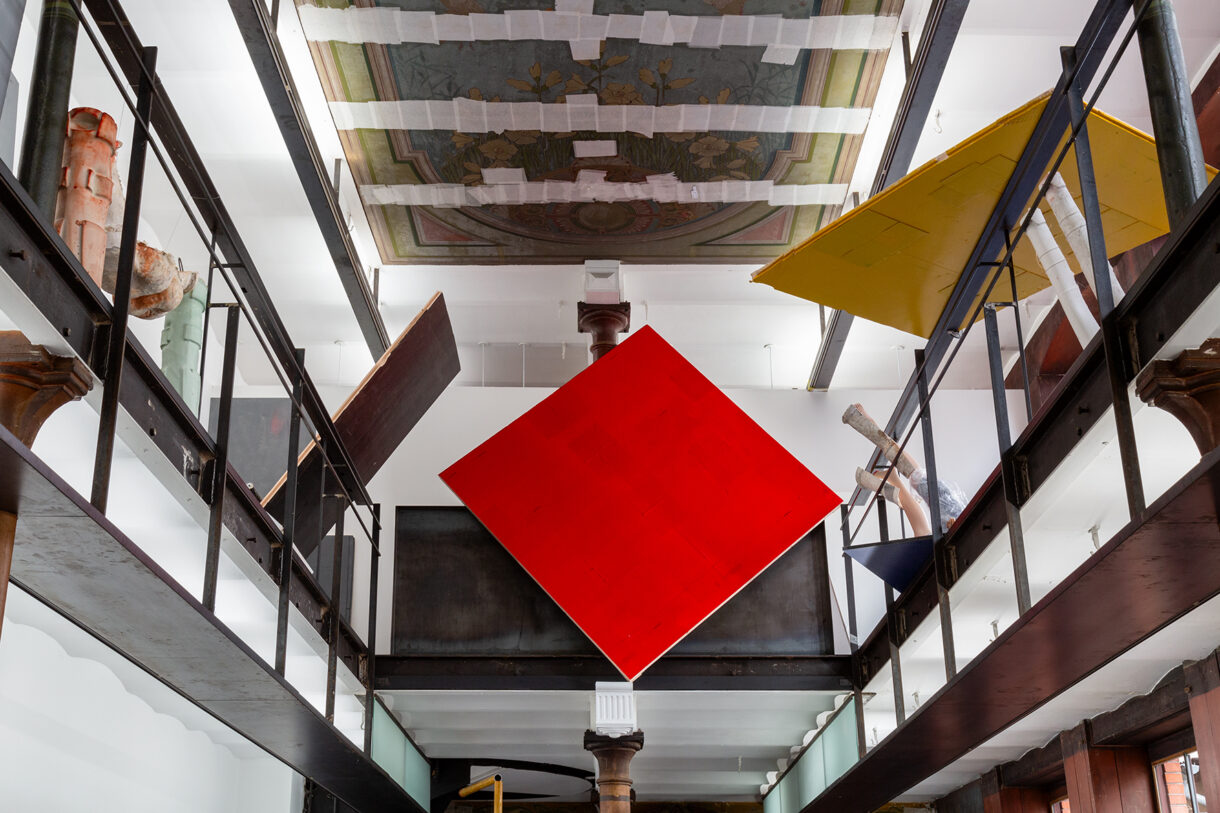
SÉCURITÉ SOCIALE PRÉLUDE La rampe PèreMèRe, Florian Fouché, vue d’exposition, CEAAC, Strasbourg, 2026. Photo : Émilie Vialet
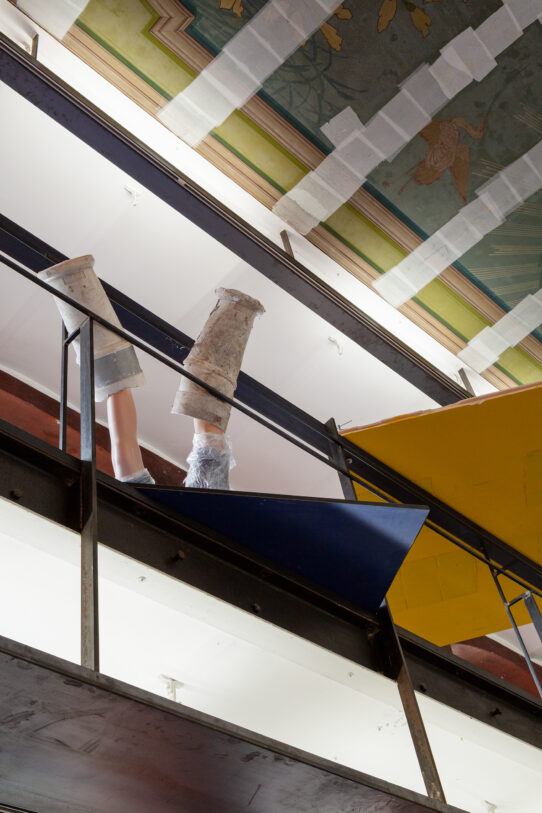
SÉCURITÉ SOCIALE PRÉLUDE La rampe PèreMèRe, Florian Fouché, vue d’exposition, CEAAC, Strasbourg, 2026. Photo : Émilie Vialet
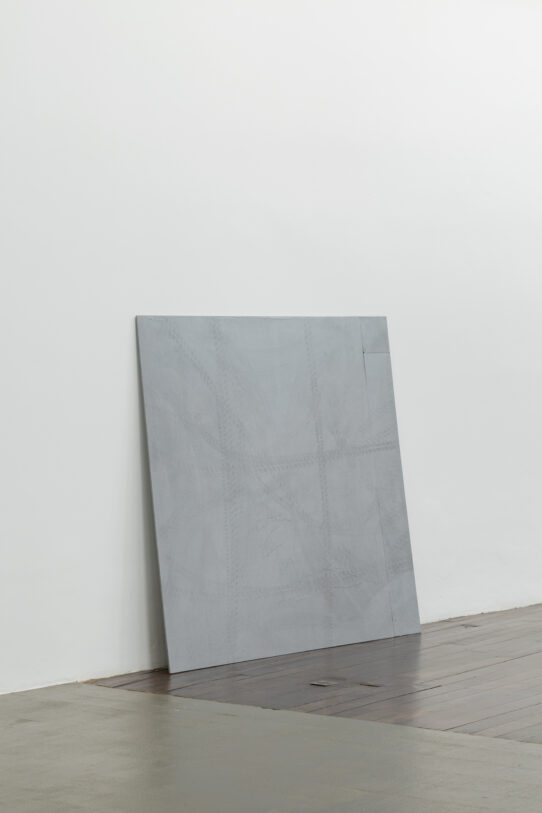
SÉCURITÉ SOCIALE PRÉLUDE La rampe PèreMèRe, Florian Fouché, vue d’exposition, CEAAC, Strasbourg, 2026. Photo : Émilie Vialet
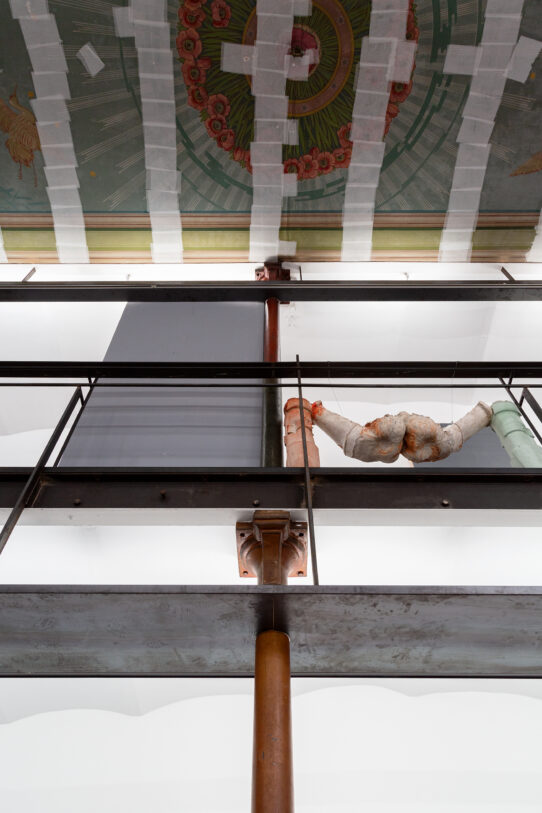
SÉCURITÉ SOCIALE PRÉLUDE La rampe PèreMèRe, Florian Fouché, vue d’exposition, CEAAC, Strasbourg, 2026. Photo : Émilie Vialet
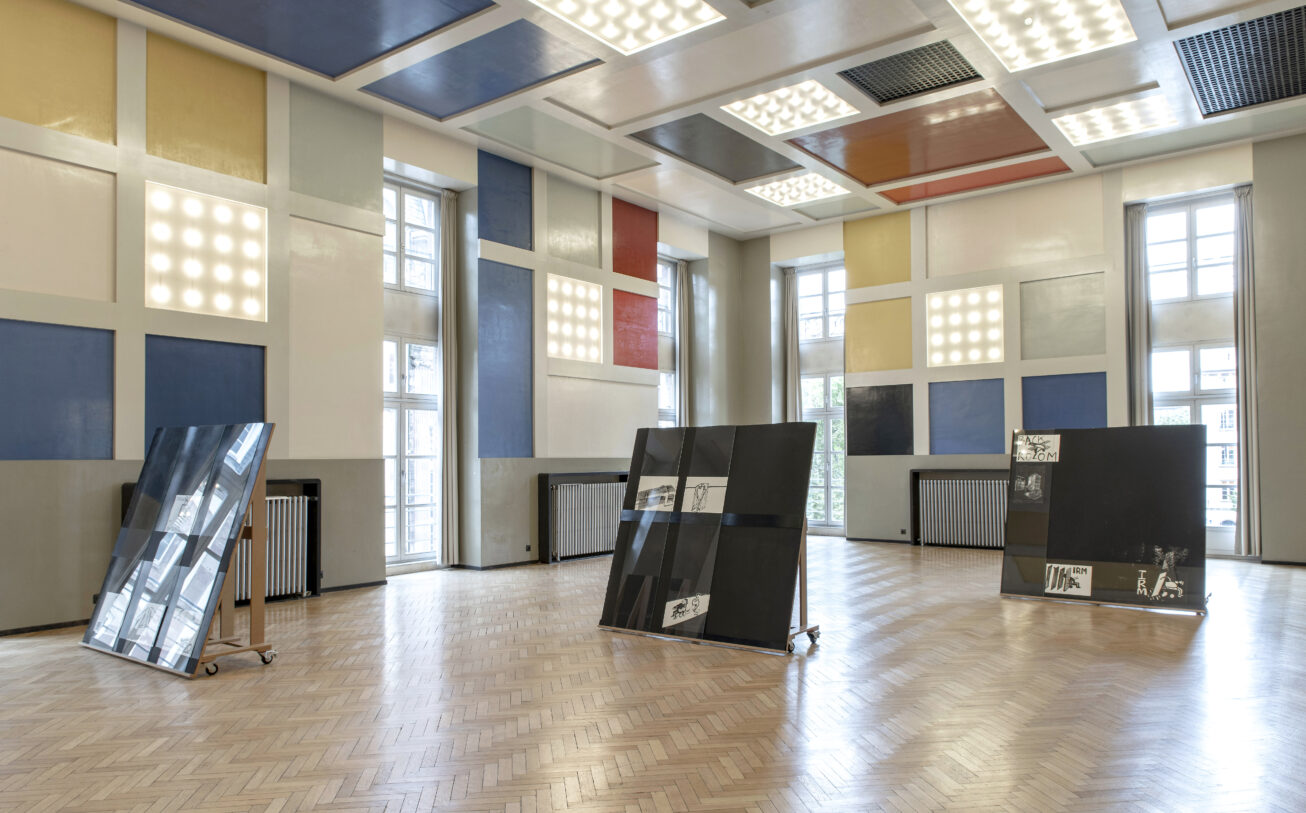
SÉCURITÉ SOCIALE PRÉLUDE La rampe PèreMèRe, Florian Fouché, vue d’exposition, l’Aubette, Strasbourg, 2026. Photo : Mathieu Bertola – Musées de la ville de Strasbourg
Florian Fouché
Exhibition - Art center
- Opening: 06.05.2026
- Start date: 07.05.2026
- End date: 06.09.2026